The Butterfly Effect
Circularize for Change x help alliance: Announcing our Partnership with help alliance
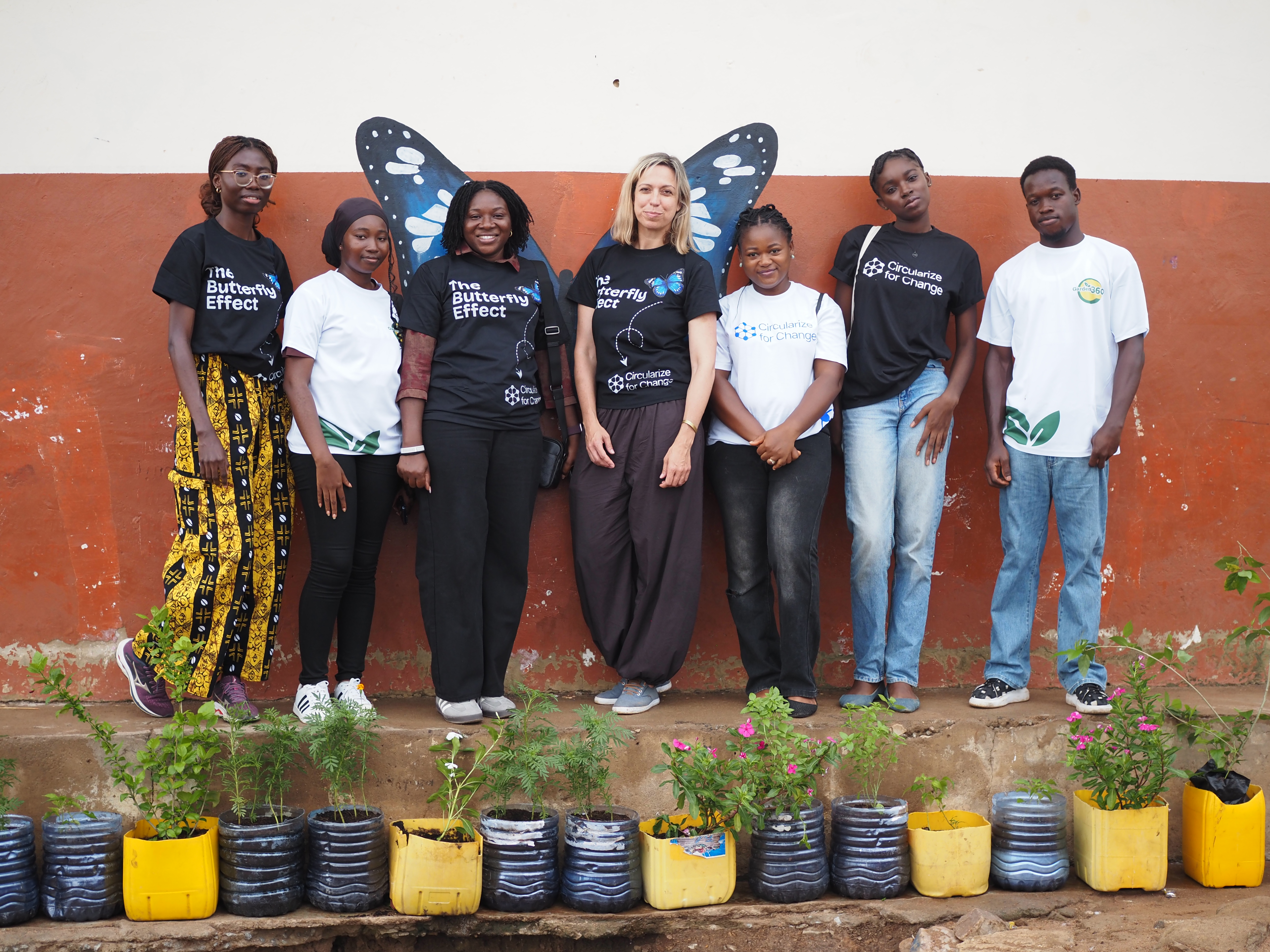
The Butterfly Effect began as a pilot programme in St. Cyprian's Anglican School in Accra. What started as a practical effort to connect young people with environmental learning has since developed through experience, reflection and collaboration.
We are now entering an important new phase with the support of help alliance. This partnership will help us strengthen and expand the Butterfly Effect, bringing practical, high-quality climate education to more students and schools: 3,000 students in Ghana by 2028.
Growth, however, is about more than increasing numbers. As the programme expands, our focus is on preserving what makes the Butterfly Effect effective: learning that is practical, relevant and connected to the realities of students' lives and communities.
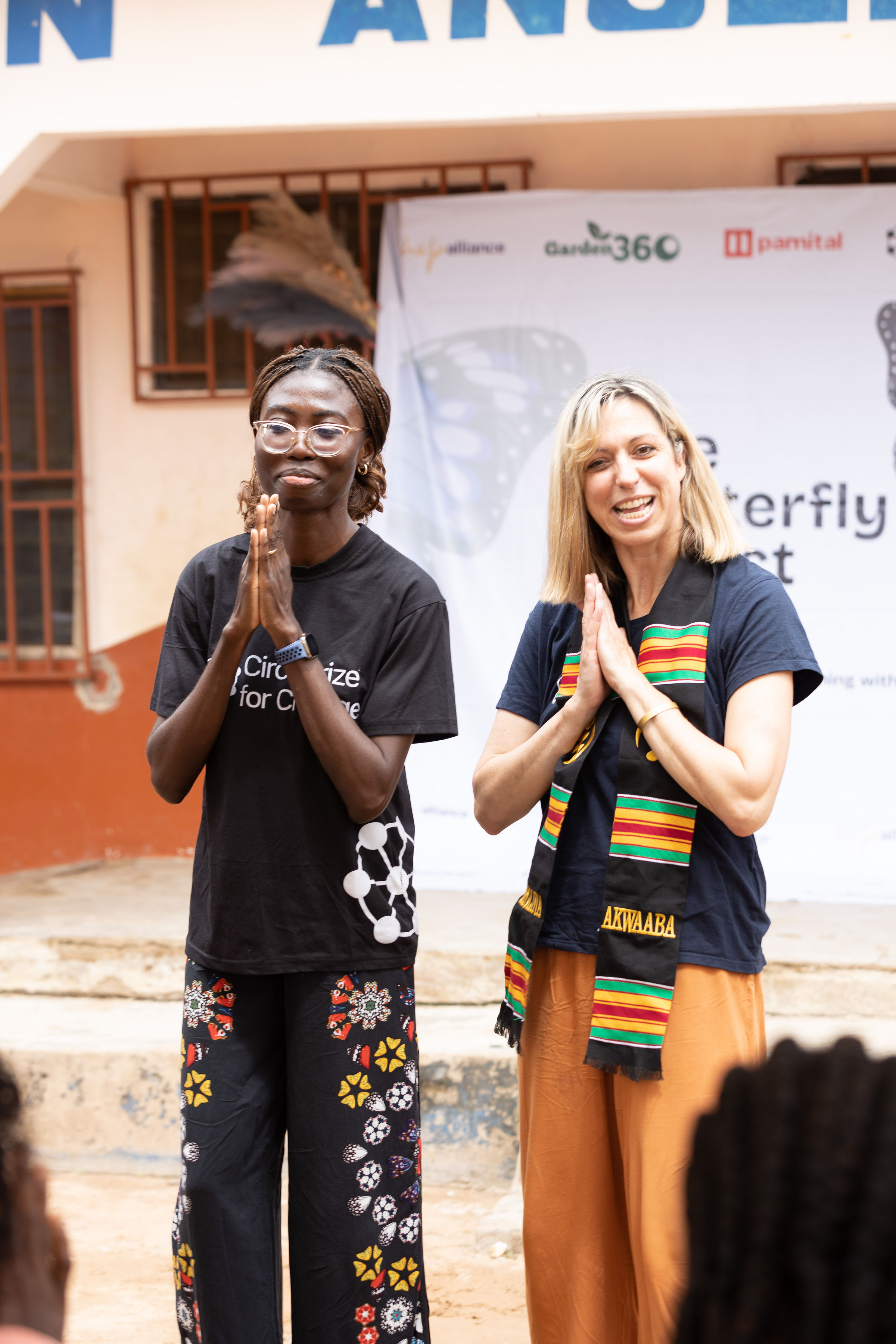
With the support of help alliance, we are building on the lessons from the pilot and investing in the foundations needed for lasting impact. This includes strengthening teachers' capacity, creating more interactive climate education curricula, developing green skills and entrepreneurship, and renovating participating schools.
Teachers are central to this work.
The long-term success of the programme depends on what remains within a school after an initial intervention. For this reason, we work with teachers to strengthen their ability to use practical and project-based approaches to learning and to support environmental activities within their schools.
By combining teacher development with practical resources and learning spaces, we are working towards a model that schools can continue to use and develop independently.

Taking the Butterfly Effect into a new context in Uganda
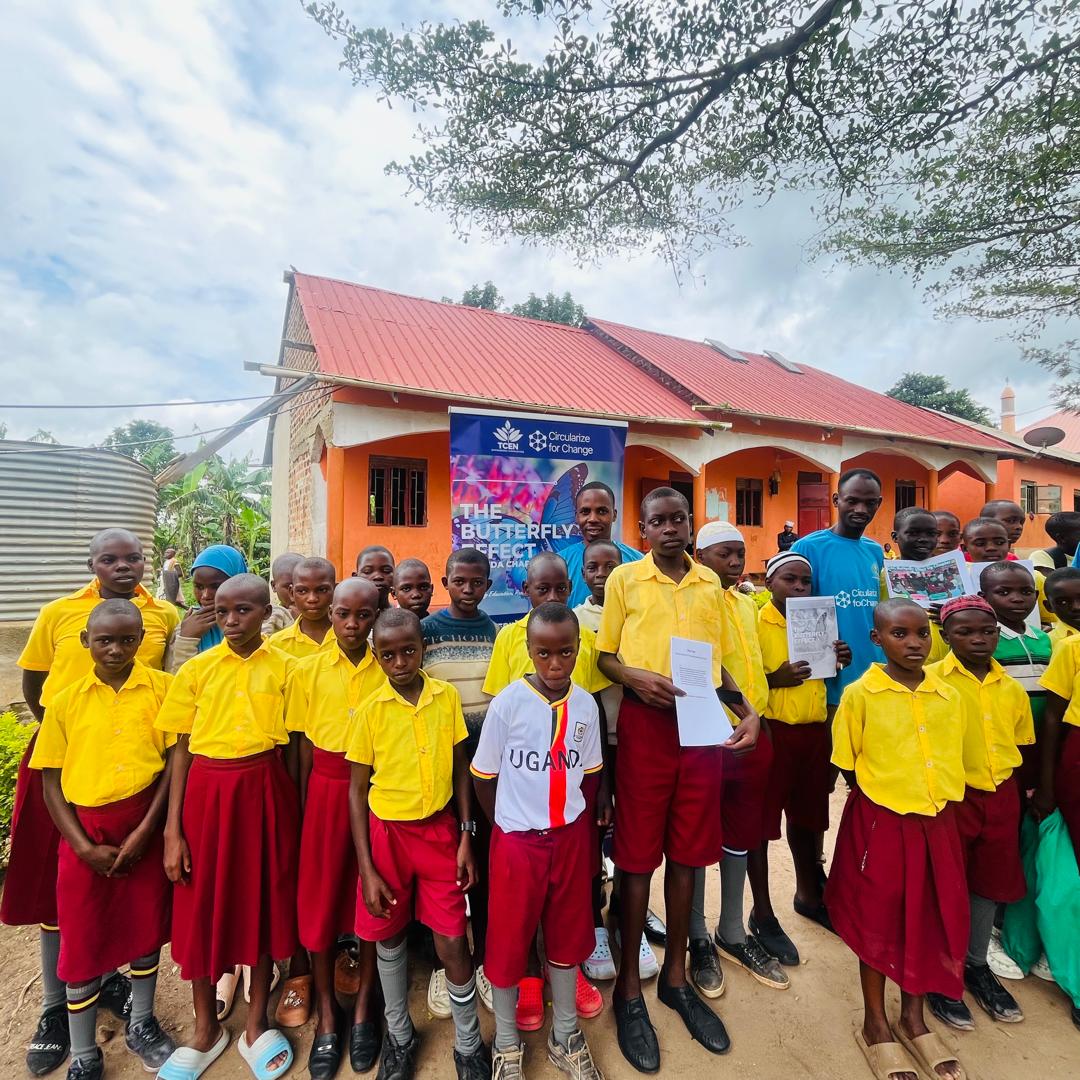
The next chapter of the Butterfly Effect took place at Bugido Integrated Primary School in Mpara Subcounty, Kyegegwa District, Uganda.
The Uganda chapter built on the approach tested in Ghana while responding to the local context, with a particular focus on biodiversity literacy, food systems and practical nursery management.
The programme trained 53 students aged 10–15 and engaged four teachers in biodiversity literacy and nursery management.
Students explored the relationship between biodiversity, climate change, pollution and land degradation and the effects these have on food systems, health and wellbeing. The learning was then taken beyond the classroom through practical activities on the school grounds.
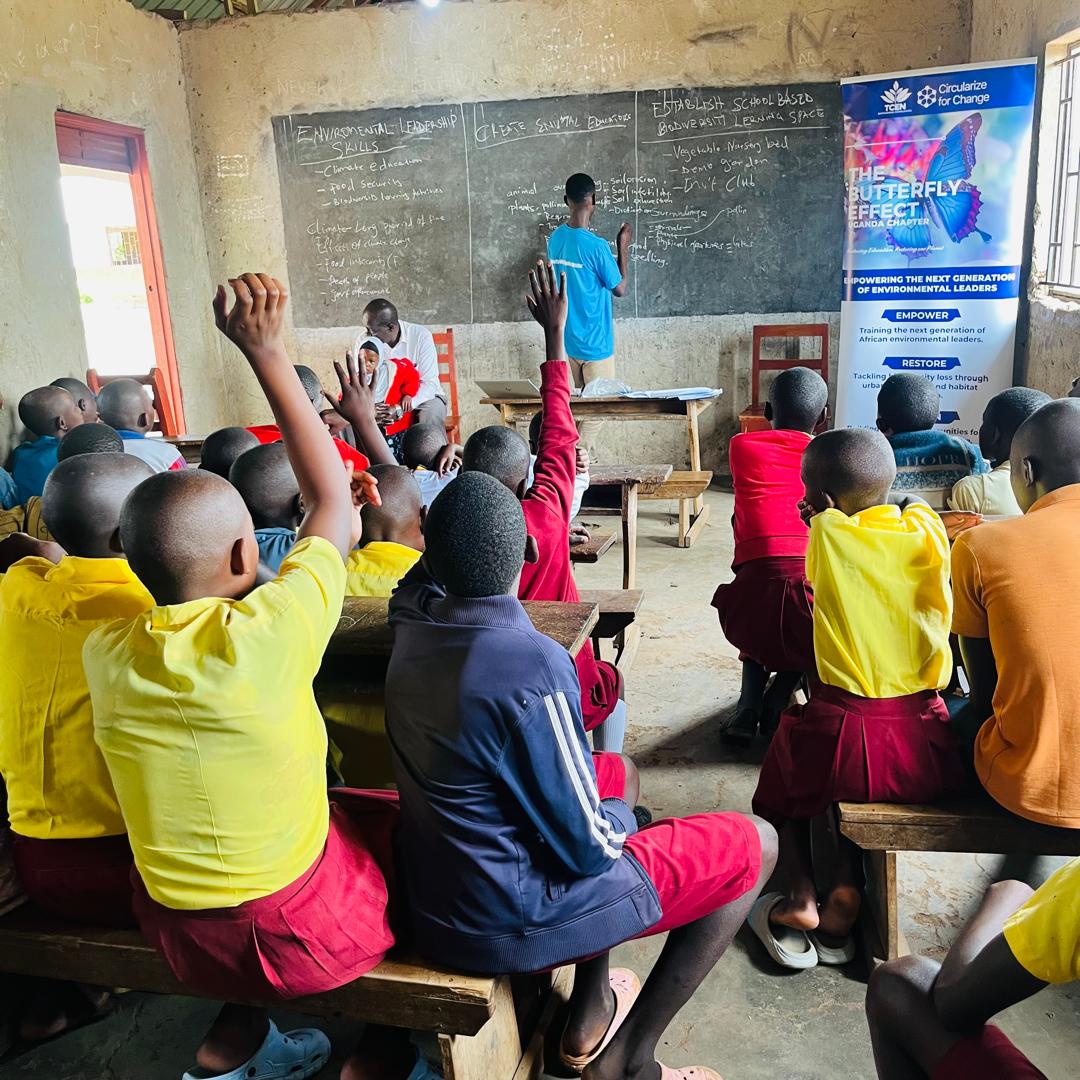
A vegetable nursery bed was established at the school, with cabbage, spinach and tomatoes introduced as the first crops.
The nursery provides a practical setting for students to learn about soil preparation, seed spacing and irrigation, while producing seedlings that can support future food-growing activities at the school.
This approach connects food production with environmental education.
Students can see how soil, water, plants and biodiversity interact and how the health of these systems affects the food available to communities.
Building school ownership
An important element of the Uganda chapter was the establishment of the Bugido Integrated Primary School Green Club.
The club provides a structure for students and teachers to continue managing the school's environmental activities. Student leaders and a teacher patron are responsible for maintaining the nursery beds, vegetable plots and biodiversity areas and for involving future students in the work.
An external organisation can introduce knowledge and provide resources, but long-term continuity depends on what remains within the school.
The Green Club provides a mechanism for students to move from participants to custodians of the work.
The Butterfly Effect Pilots at St. Cyprian's Anglican School in Accra
The Butterfly Effect was piloted in March 2025 at St. Cyprian's Anglican School in Accra. The pilot was an opportunity to test whether environmental education could be made more practical and interactive by connecting project-based learning with the creation of school gardens.
More than 120 students participated in the pilot, which focused on biodiversity and ecological restoration.
As part of the pilot, we created a container garden using pollinator-friendly plants. The garden served several purposes at once. It introduced students to plants and biodiversity through a practical, hands-on activity, while also adding colour and life to the school grounds. The flowering plants created a welcoming space where bees, butterflies and other pollinators could feed and thrive.
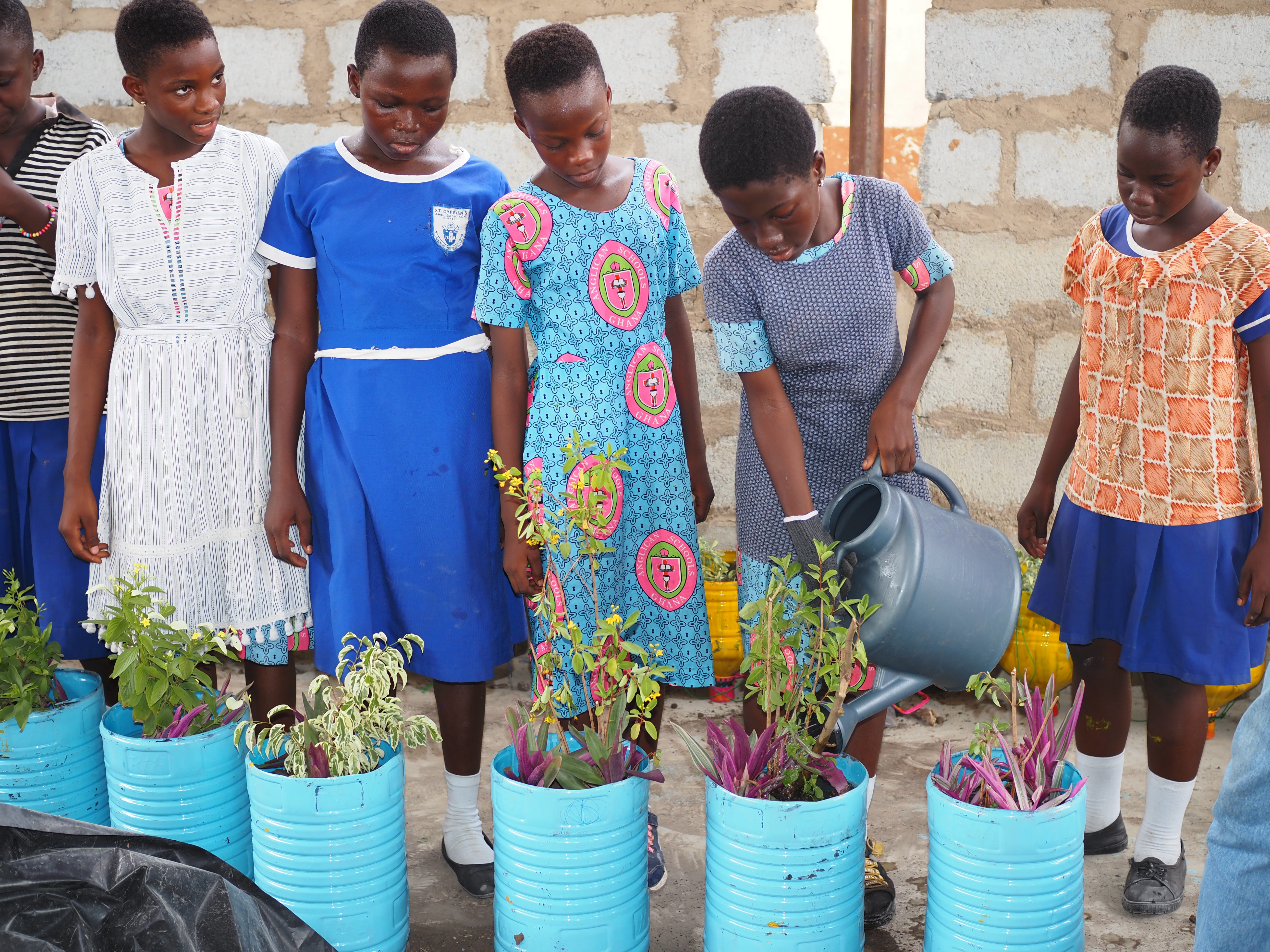
The garden became a simple but effective way of connecting students with the natural systems that support food production and biodiversity. Rather than learning about pollinators only as a concept, students could observe them in the school environment and understand their role within wider ecosystems.
The pilot also recognised that the sustainability of a school-based project depends on the people who remain at the school after the programme ends.
For this reason, five school teachers were trained in Project-Based Learning, equipping them with an approach they could continue to use with their students after the pilot. The training was intended to ensure that the project did not depend on the continued presence of the C4C team, but could become part of how environmental learning takes place within the school.
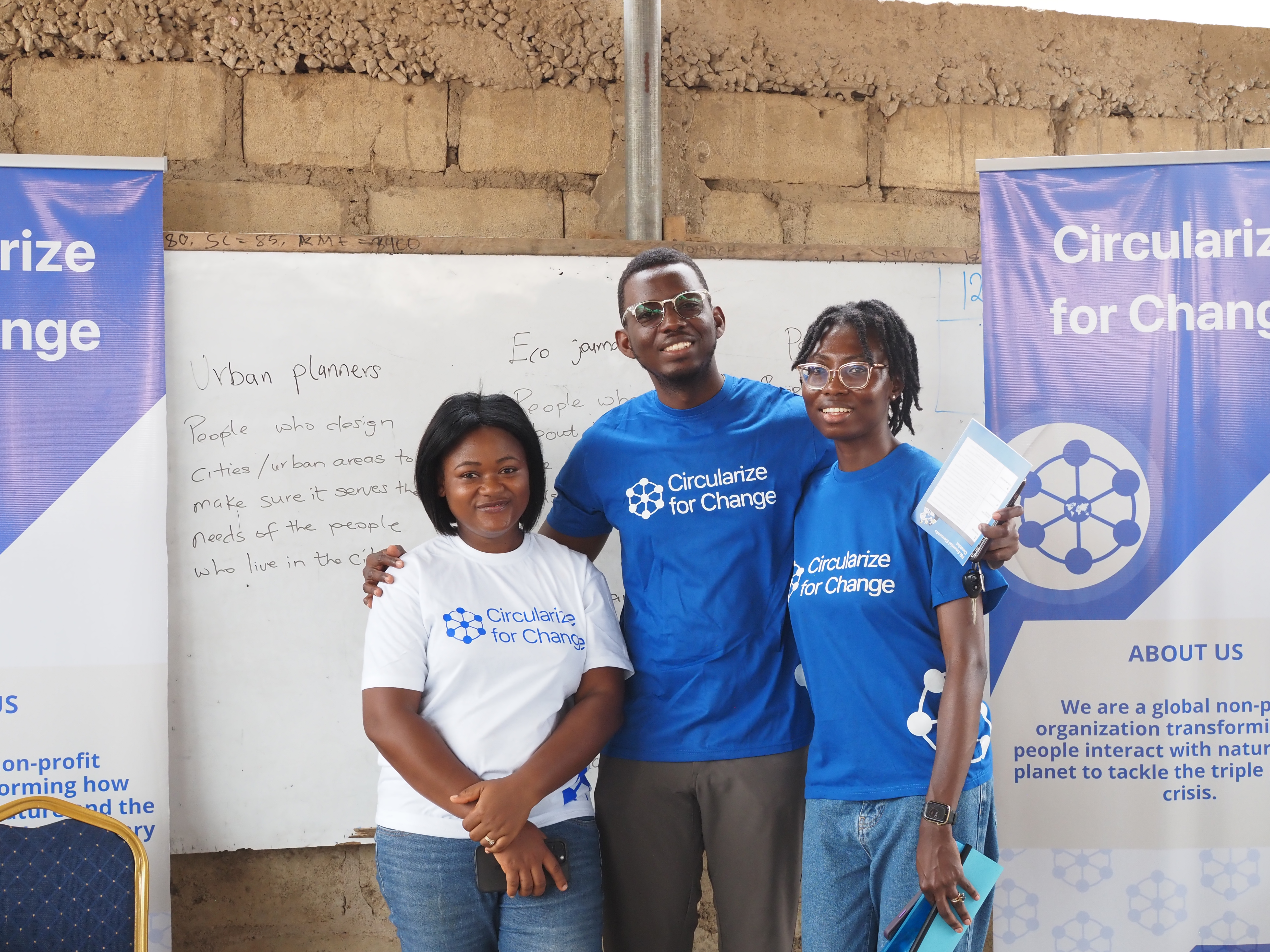
The pilot therefore brought together two important elements of the Butterfly Effect model: creating practical spaces where students can learn through experience, and building the capacity of teachers to sustain that learning.
What began with a garden became an opportunity to connect students with biodiversity while strengthening the school's capacity to continue project-based environmental learning beyond the pilot.
THE BUTTERFLY EFFECT
Connecting Climate Learning with Practical Green Skills
The Butterfly Effect is an environmental justice initiative that brings interactive, quality climate and environmental education to underserved schools and schools with high teacher-to-student ratios across Africa.
The programme works primarily with students between the ages of 11 and 16, a period of significant cognitive, social and personal development. These are formative years in which young people are developing their understanding of the world around them, becoming more independent in their thinking and beginning to make decisions that can shape their future education, livelihoods and communities.
We see these years as an important opportunity to develop environmental knowledge, practical skills and a sense of agency before young people transition into adulthood.
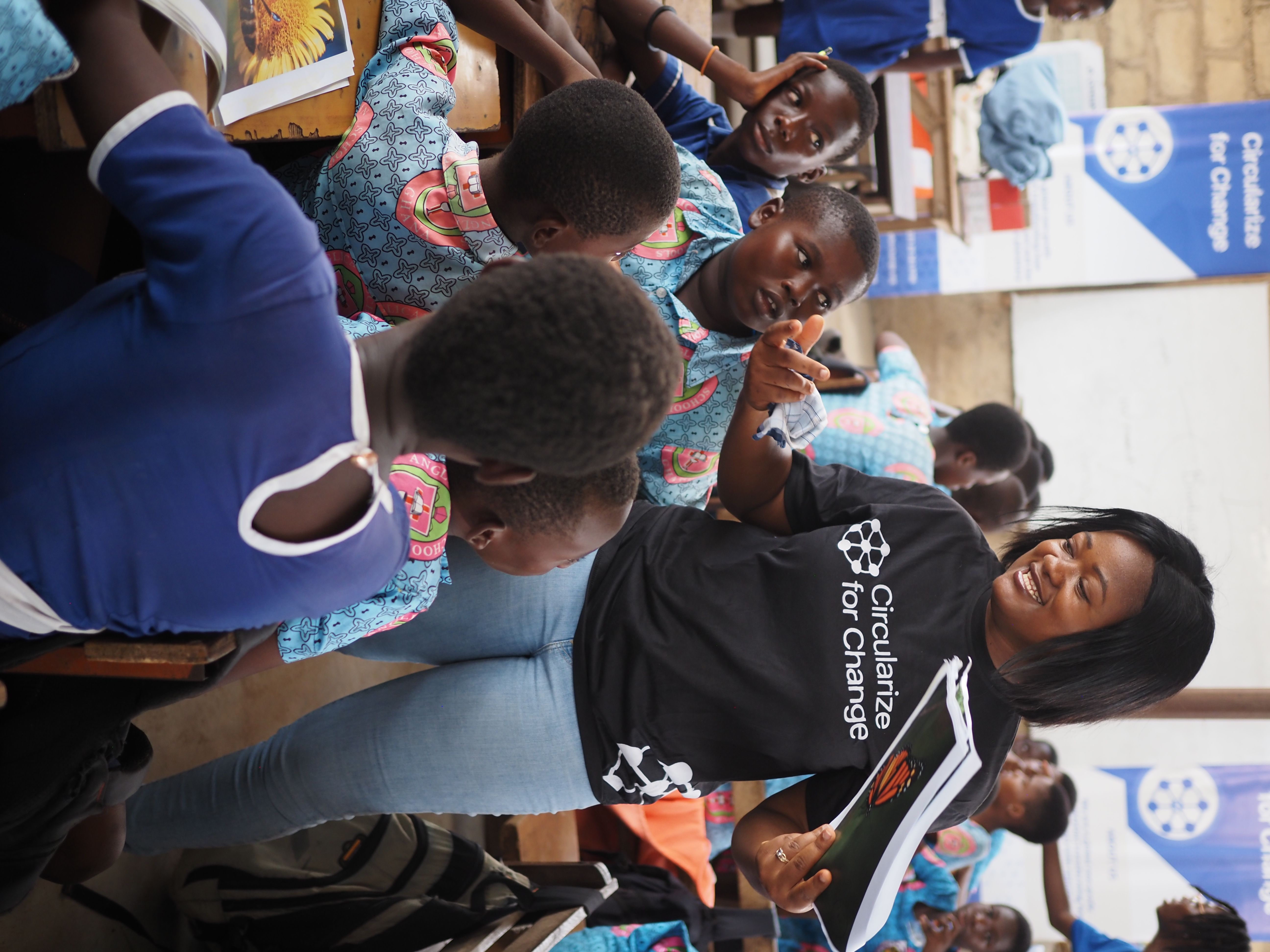
For many students, particularly those learning in under-resourced and overcrowded classrooms, climate education remains largely theoretical. Students may learn about climate change, biodiversity or pollution without having the opportunity to investigate these issues in their own communities or develop practical ways of responding to them.
The programme connects climate change with the issues students encounter around them: biodiversity loss, food systems, pollution, waste, land degradation and the changing environmental conditions that affect their communities.
Students learn through lessons, discussion, observation, games, role play, gardening, ecological restoration and green entrepreneurship activities.
The objective is not simply to increase what students know about climate change. It is to develop the knowledge, practical skills and agency they need to understand environmental challenges and participate meaningfully in addressing them.

LICENSE No:
NPOS/GR01/LN01430/24
Mailing Address:
P. O. Box CT 6052, Cantonments,
Accra-Ghana
Contact Us
 info@circularizeforchange.org


